
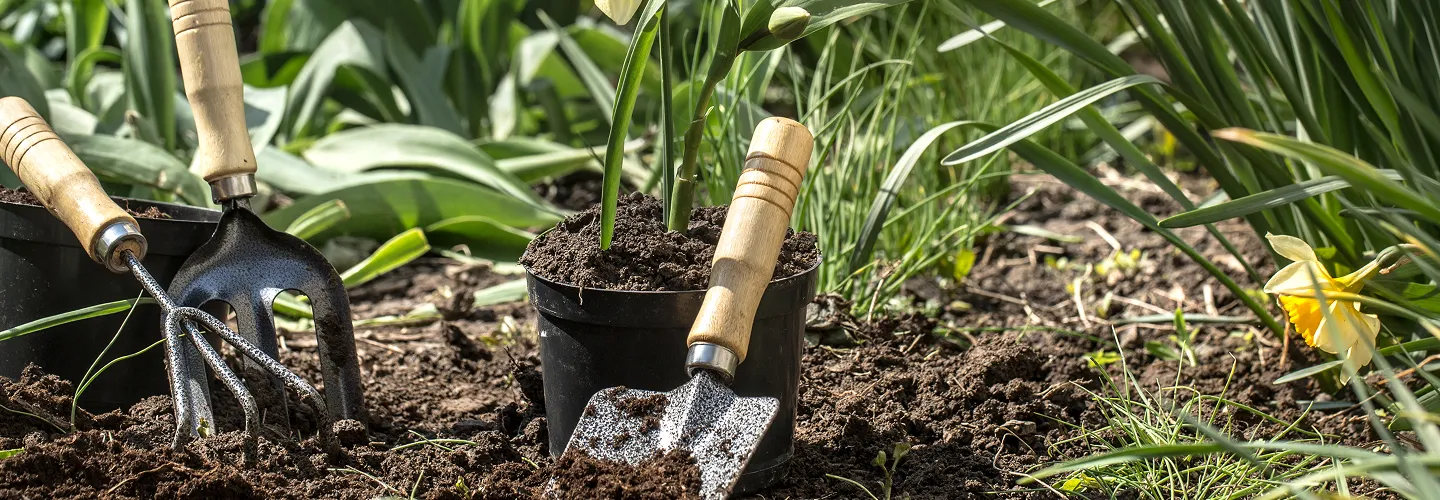
Stamford Flower Planting Services
Choose our flower planting services for vibrant, expertly arranged blooms that enhance your curb appeal and thrive season after season—bringing lasting beauty and value to your property.
Get a Free QuoteOur Stamford Landscaping & Yard Care Services
When to Schedule Flower Planting in Stamford, Connecticut – Seasonal Guide
Flower planting in Stamford, Connecticut, is best scheduled with careful attention to the region’s unique climate and landscape. The optimal planting windows typically fall in early spring, after the last frost—usually mid-April to early May—and again in early fall, when cooler temperatures and increased rainfall create ideal conditions for root establishment. Stamford’s proximity to Long Island Sound moderates temperature swings, but neighborhoods like Shippan Point and North Stamford can experience microclimates, with varying shade coverage and soil moisture levels.
Local gardeners should consider Stamford’s average last frost date, which often occurs in mid-April, before planting tender annuals. Soil type varies across the city, with some areas near Scalzi Park featuring well-drained loam, while others closer to the Mianus River may have heavier, moisture-retentive soils. Humidity levels rise in summer, increasing the risk of fungal diseases, so selecting disease-resistant varieties and timing planting to avoid peak humidity is crucial. For more detailed local climate data, consult resources like the Sudbury, MA municipal site.
Local Factors to Consider for Flower Planting in Stamford
- Tree density and shade coverage, especially in wooded neighborhoods like North Stamford
- Terrain and drainage, which can affect soil moisture retention
- Average precipitation patterns and risk of summer droughts
- Proximity to coastal influences near Long Island Sound
- Municipal restrictions or guidelines on landscaping and water use
- Soil type variations across different Stamford neighborhoods
Benefits of Flower Planting in Stamford
Expert Local Knowledge
Customized Landscape Designs
Seasonal Plant Selection
Enhanced Curb Appeal
Eco-Friendly Practices
Reliable Maintenance Services
Stamford Flower Planting Types

Annual Flower Beds
-
Perennial Gardens
-
Native Plant Installations
-
Seasonal Bulb Planting
-
Pollinator-Friendly Gardens
-
Shade Garden Planting
-
Container Flower Arrangements
Our Flower Planting Process
Site Evaluation
Soil Preparation
Plant Selection
Careful Planting
Watering and Mulching
Why Choose Stamford Landscape Services
-
Stamford Homeowners Trust Us
-
Expert Lawn Maintenance
-
Reliable Seasonal Cleanup
-
Competitive Pricing
-
Professional Team
-
Satisfaction Guarantee
-
Personalized Service
Stamford’s Glacial Till Soils and Drainage Considerations for Flower Planting
Stamford’s predominant soils, as identified by the USDA Web Soil Survey, are glacial till-derived Inceptisols and Ultisols, which are often rocky, moderately acidic (pH 5.5–6.5), and exhibit variable drainage. In low-lying areas, seasonal water tables may rise to 12–18 inches below the surface, requiring raised beds or amended planting sites for optimal flower establishment. Soil testing is recommended prior to planting; the UConn Extension offers soil analysis services (typical cost: $15–$25). Amendments such as 2–3 inches of compost tilled to a 6-inch depth can improve structure and fertility. For sites with persistent drainage issues, select moisture-tolerant species like cardinal flower (Lobelia cardinalis) or astilbe. Avoid planting in compacted urban fill without remediation.
Stamford Environmental Protection Board
888 Washington Boulevard, Stamford, CT 06901
Phone: (203) 977-4076
Official Website: Stamford Environmental Protection Board
Optimal Flower Planting Timing and Climate Zone Guidance for Stamford
Stamford is located in USDA Hardiness Zone 6b–7a, with average last frost dates between April 20 and May 5 and first frost typically in late October. The ideal window for planting hardy annuals and perennials is April 15–May 30, when soil temperatures reach 50–60°F. For fall bulbs, plant between September 15 and October 31. Monitor local forecasts through the National Weather Service New York Office to avoid late frost damage. Key timing recommendations include:
- Spring planting: April 15–May 30 (soil temp 50–60°F)
- Fall bulb planting: September 15–October 31
- Avoid planting during summer heat (July–August)
- Water new plantings in early morning to reduce evaporation
Stamford Municipal Regulations and Permit Requirements for Planting Near Wetlands
Flower planting within 25 feet of Stamford’s regulated wetlands or watercourses requires compliance with local buffer ordinances and may necessitate a permit. The Stamford Environmental Protection Board enforces a standard 25-foot no-disturbance buffer, with stricter requirements for properties adjacent to the Rippowam River, Mill River, and Holly Pond. Permit applications typically require a site plan, species list, and a $50–$100 fee, with review periods of 10–15 business days. Prohibited activities include soil disturbance, fertilizer application, and planting of invasive species within buffer zones. For projects near wetlands, consult the Connecticut Environmental Protection Act and the Clean Water Act for additional compliance.
Stamford Environmental Protection Board
888 Washington Boulevard, Stamford, CT 06901
Phone: (203) 977-4076
Official Website: Stamford Environmental Protection Board
Selecting Native and Deer-Resistant Flower Species for Stamford Landscapes
Selecting appropriate species is essential for sustainable flower planting in Stamford’s varied microclimates. Native perennials such as black-eyed Susan (Rudbeckia hirta), wild bergamot (Monarda fistulosa), and Joe Pye weed (Eutrochium purpureum) are well-adapted to local soils and support pollinators. For deer-prone areas, consider lavender (Lavandula angustifolia), Russian sage (Perovskia atriplicifolia), and salvia (Salvia nemorosa). Recommended planting distances are 12–18 inches for groundcovers and 18–24 inches for larger perennials to ensure healthy growth and air circulation. For shaded sites, coral bells (Heuchera spp.) and hosta are suitable. Reference the UConn Extension for comprehensive plant selection guides and diagnostic support.
- Full sun: Black-eyed Susan, coneflower, daylily
- Partial shade: Coral bells, astilbe, hosta
- Deer resistant: Lavender, Russian sage, salvia
- Native options: Wild bergamot, Joe Pye weed, cardinal flower
Equipment Operation Hours and Safety Standards for Flower Planting in Stamford
Stamford enforces municipal noise ordinances for outdoor equipment operation. Permitted hours are:
- Monday–Friday: 7:00 AM – 7:00 PM
- Saturday: 8:00 AM – 6:00 PM
- Sunday and holidays: Prohibited All operators must use commercial-grade equipment with functioning mufflers, and noise levels must not exceed 85 decibels at property lines. Personal protective equipment (PPE) is required, including ANSI Z87.1 safety glasses, hearing protection for noise above 85 dB, steel-toed boots, and cut-resistant gloves for planting or pruning. When working within 15 feet of public roads or utilities, high-visibility vests are mandatory. For large-scale projects, coordinate with the Stamford Department of Public Works for traffic safety measures.
Stamford Department of Public Works
888 Washington Boulevard, Stamford, CT 06901
Phone: (203) 977-4140
Official Website: Stamford Department of Public Works
What Neighborhoods Do We Serve Throughout Stamford, CT?
- North Stamford: Characterized by rocky, well-drained soils and larger lots, this area often requires soil amendment and deer-resistant plantings due to proximity to forested land.
- Shippan Point: Coastal influences and sandy soils demand salt-tolerant and drought-resistant flower species; properties may face wind exposure and require windbreaks.
- Glenbrook: Urban fill and compacted soils are common, necessitating raised beds or soil remediation for successful flower establishment.
- Springdale: Moderate lot sizes and established tree canopies create partial shade conditions, favoring shade-tolerant perennials and careful species selection.
- Westover: Proximity to the Rippowam River and local wetlands means strict buffer compliance and careful management of runoff and fertilizer use.
- Downtown Stamford: High-density development, limited green space, and potential for soil contamination require container planting and regular soil testing.
- Turn of River: Mixed residential and commercial zones with variable drainage; attention to stormwater management and city code compliance is essential.