
Stamford Weeding Services
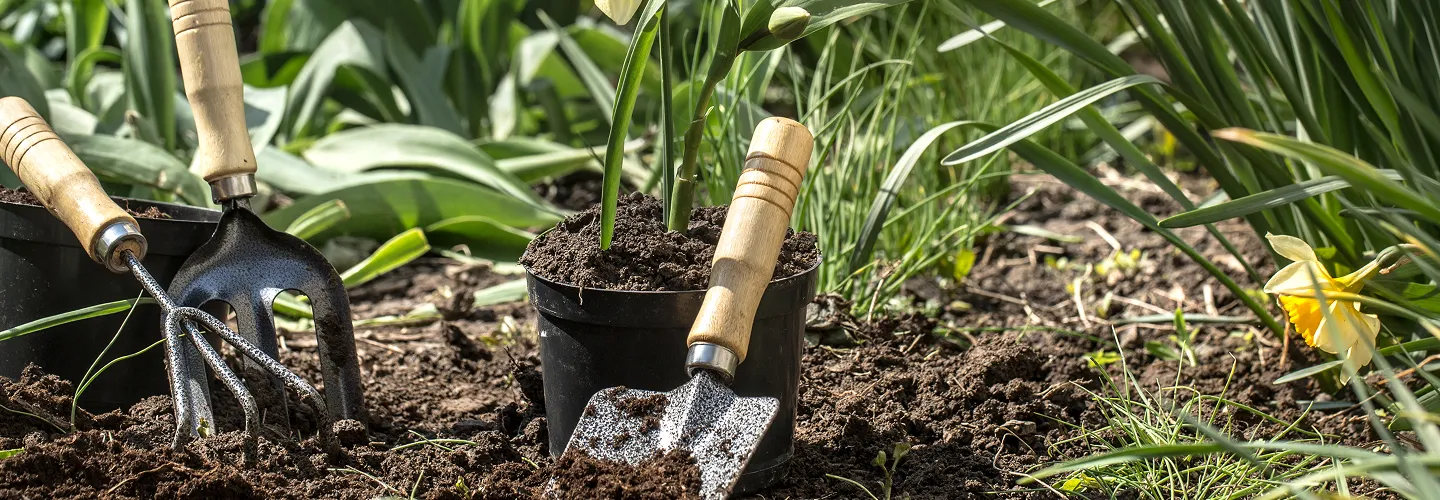
Choose our weeding services for a healthier, more beautiful landscape—our experienced team removes unwanted growth efficiently, ensuring your plants thrive and your yard stays immaculate all season long.
Get a Free QuoteOur Stamford Landscaping & Yard Care Services
When to Schedule Weeding in Stamford, Connecticut – Seasonal Guide
In Stamford, Connecticut, the best times to schedule weeding are typically in early spring and late summer, when local weather conditions are most favorable for effective weed control. Stamford’s climate features cold winters with frost dates extending into April, and warm, humid summers that can accelerate weed growth, especially in neighborhoods like Shippan Point and North Stamford where lush landscapes are common. Early spring weeding helps prevent invasive species from taking hold as the soil warms, while a late summer session addresses persistent weeds before they set seed for the fall.
Local environmental factors play a significant role in determining the optimal weeding schedule. For example, areas near Mianus River Park or Cove Island Park may experience higher humidity and shade coverage, which can encourage weed proliferation in shaded lawns and garden beds. Soil types in Stamford range from sandy loam near the coastline to heavier clay inland, affecting both weed species and removal techniques. Homeowners should also be mindful of municipal guidelines and seasonal drought risks, which can impact the timing and methods of weeding. For more information on local environmental considerations, visit the Sudbury Conservation Commission.
Local Factors to Consider for Weeding in Stamford
- Tree density and shade coverage in neighborhoods like Glenbrook and Springdale
- Terrain variations, including sloped yards and rocky soil
- Seasonal precipitation patterns and risk of summer drought
- Proximity to parks, wetlands, or water features
- Municipal restrictions on herbicide use and yard waste disposal
Benefits of Weeding in Stamford
Enhanced Curb Appeal
Healthier Plant Growth
Reduced Pest Infestation
Improved Soil Quality
Professional and Reliable Service
Time and Effort Savings
Stamford Weeding Types

Hand Weeding
-
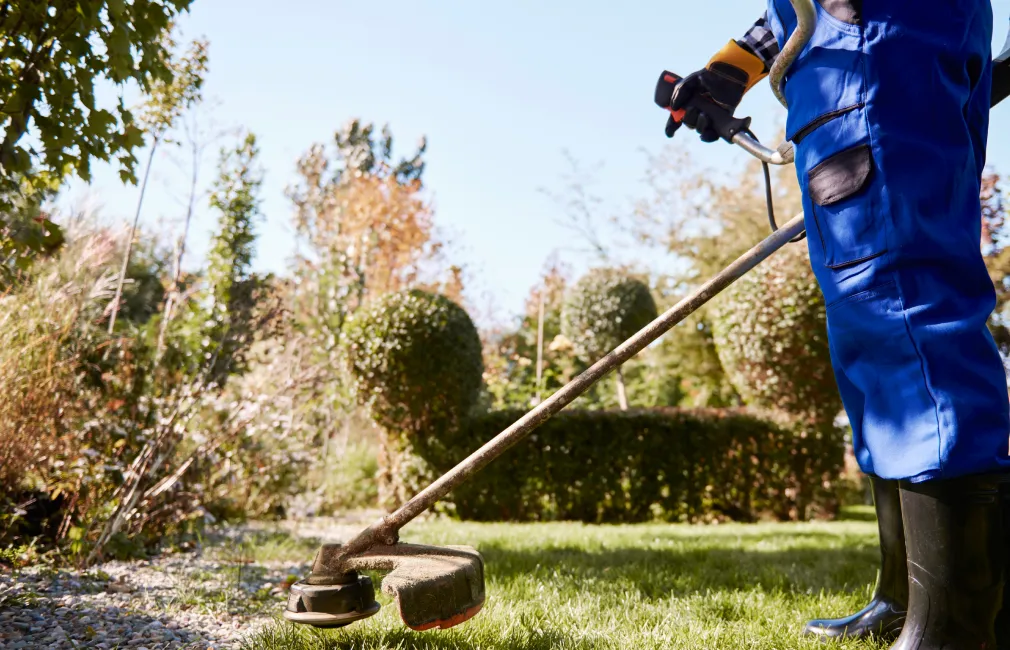
Mechanical Weeding
-
Chemical Weed Control
-
Mulching for Weed Suppression
-
Flame Weeding
-
Organic Weed Management
-
Pre-Emergent Weed Control
Our Weeding Process
Site Evaluation
Weed Identification
Targeted Removal
Soil Treatment
Final Inspection
Why Choose Stamford Landscape Services
-
Stamford Homeowners Trust Us
-
Expert Lawn Maintenance
-
Reliable Seasonal Cleanup
-
Competitive Pricing
-
Professional Team
-
Satisfaction Guarantee
-
Personalized Service
Stamford’s Glacial Till Soils and Weeding Best Practices
Stamford’s predominant soils, as identified by the USDA Web Soil Survey, are glacial till types such as Charlton-Chatfield and Ridgebury fine sandy loam. These soils are moderately acidic (pH 5.5–6.5), often stony, and can be poorly drained in low-lying areas. Effective weeding in these conditions requires regular soil testing and amendments. For optimal weed suppression and plant health, incorporate 2–3 inches of compost tilled to a 6-inch depth and apply lime if pH falls below 6.0. Soil compaction is common in urbanized areas, so aeration every 2–3 years is recommended. Residents can access soil testing and management guidance through UConn Extension. Timing is critical: hand-pulling and mechanical removal are most effective in early spring (April 15–May 30) and late summer (August 20–September 30), when soil moisture is adequate for root extraction.
Municipal Yard Waste Collection and Weeding Debris Disposal in Stamford
Proper disposal of weeding debris in Stamford is regulated by the Department of Public Works. Yard waste collection occurs weekly on Thursdays from April through November. Accepted materials include leaves, grass clippings, and brush under 4 feet in length, placed in biodegradable bags or reusable bins (32-gallon maximum). Plastic bags and branches over 4 inches in diameter are prohibited. Residents must ensure that no yard waste enters storm drains, in compliance with Stamford’s MS4 permit under the Clean Water Act. Violations may result in fines. For large volumes, the Katrina Mygatt Recycling Center accepts organic debris during posted hours. For collection schedules and disposal guidelines:
Stamford Department of Public Works
888 Washington Boulevard, Stamford, CT 06901
Phone: (203) 977-4140
Official Website: Stamford Department of Public Works
Environmental Compliance: Wetland Buffers and Stormwater Protection in Stamford
Weeding activities near Stamford’s wetlands, streams, and conservation areas must comply with local and state environmental regulations. A 25-foot no-disturbance buffer is required from all designated wetlands, and a 50-foot setback applies for fertilizer or herbicide application. Stamford’s Environmental Protection Board enforces these standards to protect water quality and habitat integrity. The city’s MS4 stormwater permit, administered under the Connecticut Environmental Protection Act, prohibits the discharge of yard waste or chemicals into storm drains. Sensitive areas include the Rippowam River corridor, Holly Pond, and Mianus River Park. For guidance on buffer zones and compliance:
Stamford Environmental Protection Board
888 Washington Boulevard, Stamford, CT 06901
Phone: (203) 977-4076
Official Website: Stamford Environmental Protection Board
Equipment Operation Hours and Safety Standards for Weeding in Stamford
Stamford’s municipal code regulates equipment operation to minimize noise and ensure public safety. Permitted hours for powered weeding equipment are:
- Monday–Friday: 7:00 AM – 7:00 PM
- Saturday: 8:00 AM – 6:00 PM
- Sunday and holidays: Prohibited All operators must use commercial-grade equipment with functioning mufflers, and noise levels must not exceed 85 decibels at property lines. Personal protective equipment (PPE) is required, including ANSI Z87.1 safety glasses, hearing protection for noise above 85 dB, and cut-resistant gloves. When working within 15 feet of public roads or sidewalks, high-visibility vests are mandatory. For code enforcement and safety inquiries:
Stamford Building Department
888 Washington Boulevard, Stamford, CT 06901
Phone: (203) 977-5652
Official Website: Stamford Building Department
Optimal Weeding Timing for Stamford’s Coastal Climate Zone
Stamford is located in USDA Hardiness Zone 6b–7a, with a coastal-influenced climate and average last frost in late April. The most effective weeding windows are mid-April to late May and late August to September, when soil temperatures range from 50–65°F and moisture is sufficient for root removal. Avoid weeding during peak summer (June–August), as heat stress can damage desirable plants and reduce weed control efficacy. Monitor local weather forecasts through the National Weather Service New York Office for optimal scheduling. For plant-specific timing and integrated weed management, consult UConn Extension. Key timing guidelines:
- Spring weeding: April 15 – May 30
- Fall weeding: August 20 – September 30
- Avoid: June–August (heat stress period)
What Neighborhoods Do We Serve Throughout Stamford, CT?
- North Stamford: Characterized by large lots, mature woodlands, and rocky, poorly drained soils. Weeding here often requires attention to invasive species and wetland buffer compliance.
- Shippan Point: Coastal area with sandy soils and salt exposure. Properties face unique challenges with wind-dispersed weeds and proximity to Holly Pond and Long Island Sound.
- Glenbrook: Dense residential development with compacted urban soils and limited green space. Weeding must account for drainage issues and close proximity to neighbors.
- Springdale: Mix of older homes and new construction, moderate slopes, and variable soil conditions. Seasonal flooding can affect weed growth and debris management.
- Westover: Features rolling terrain, mature trees, and proximity to the Rippowam River. Weeding requires careful management near riparian buffers and flood-prone areas.
- Downtown Stamford: High-density, mixed-use environment with limited landscaping and frequent soil disturbance. Weeding is often focused on public spaces and compliance with city maintenance standards.