
Stamford Green Waste Disposal Services
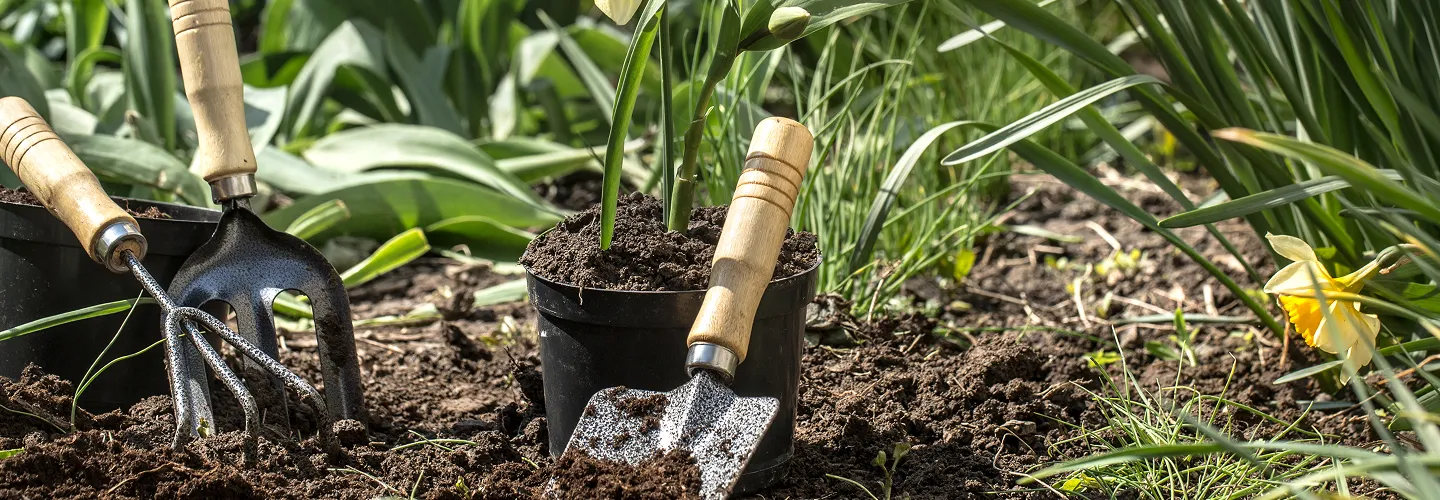
Choose our Green Waste Disposal for reliable, environmentally responsible service that keeps your property clean and helps protect the planet—experience hassle-free pickups, expert handling, and a commitment to sustainability.
Get a Free QuoteOur Stamford Landscaping & Yard Care Services
When to Schedule Green Waste Disposal in Stamford, Connecticut – Seasonal Guide
In Stamford, Connecticut, the best times to schedule green waste disposal are closely tied to the city’s unique climate and landscape. Spring and fall are typically optimal, as these seasons align with peak yard maintenance activities and the natural cycles of local vegetation. For example, neighborhoods like North Stamford and Shippan Point experience heavy leaf and branch accumulation after spring growth and autumn leaf drop, making these periods ideal for efficient disposal. Stamford’s last frost date usually falls in late April, signaling the start of safe yard cleanups, while the humid summers and occasional droughts can affect the timing and volume of green waste.
Local environmental factors such as the city’s clay-heavy soils, shaded lots in areas like Glenbrook, and proximity to the Long Island Sound all play a role in determining the best disposal schedule. Homeowners should also be aware of municipal guidelines and seasonal collection windows, which can be found on official resources like the Sudbury municipal website. By considering these local nuances, residents can ensure their green waste is managed efficiently and in compliance with Stamford’s regulations.
Local Factors to Consider for Green Waste Disposal in Stamford
- Tree density and types of vegetation (e.g., mature oaks in Westover)
- Terrain and yard accessibility, especially in hilly or wooded neighborhoods
- Seasonal precipitation patterns and risk of drought
- Municipal collection schedules and restrictions
- Soil type and drainage, impacting debris accumulation
- Shade coverage affecting plant growth and debris volume
Benefits of Green Waste Disposal in Stamford
Eco-Friendly Waste Management
Promotes Healthy Landscapes
Reduces Landfill Usage
Convenient Pickup Services
Supports Local Sustainability
Cost-Effective Disposal Solutions
Stamford Green Waste Disposal Types

Grass Clippings
-
Tree Branches
-
Shrub Trimmings
-
Leaves Collection
-
Garden Weeds
-
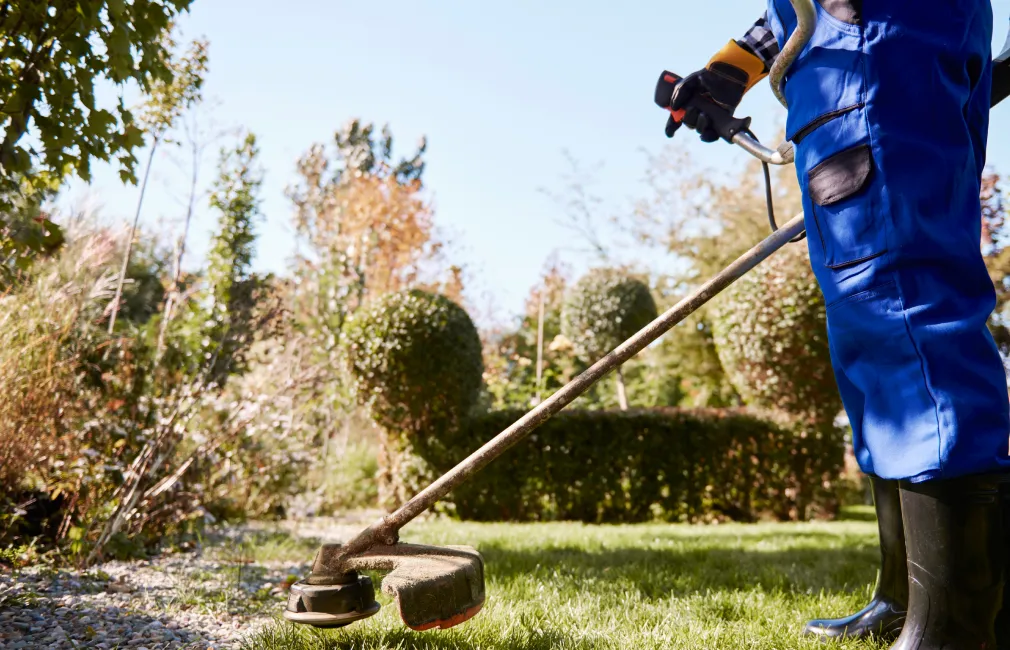
Hedge Cuttings
-
Flower Bed Debris
Our Green Waste Disposal Process
Collection of Green Waste
Sorting and Separation
Transport to Disposal Facility
Eco-Friendly Processing
Why Choose Stamford Landscape Services
-
Stamford Homeowners Trust Us
-
Expert Lawn Maintenance
-
Reliable Seasonal Cleanup
-
Competitive Pricing
-
Professional Team
-
Satisfaction Guarantee
-
Personalized Service
Stamford’s Green Waste Collection Schedule, Accepted Materials, and Curbside Procedures
Green waste disposal in Stamford is governed by a citywide collection program managed by the Department of Public Works. Weekly curbside pickup occurs every Thursday from April through November. Residents must use biodegradable paper bags or reusable bins (32-gallon maximum) for leaves, grass clippings, and brush under 4 feet in length. Plastic bags and branches over 4 inches in diameter are strictly prohibited. To ensure compliance, all containers must be placed curbside by 6:00 AM on collection day and removed by 8:00 PM. The city’s transfer station accepts larger yard debris by appointment, with proof of residency required. For detailed collection guidelines and updates, consult the municipal website.
Stamford Department of Public Works
888 Washington Boulevard, Stamford, CT 06901
Phone: (203) 977-4140
Official Website: Stamford Department of Public Works
Soil Series and Drainage Considerations for Green Waste in Stamford’s Urban and Coastal Areas
Stamford’s predominant soils, including Charlton-Chatfield-Hollis and Ridgebury-Leicester series, are characterized by glacial till, moderate to poor drainage, and pH levels ranging from 5.5 to 6.5. Urban fill soils in downtown and coastal neighborhoods often exhibit compaction and stoniness, affecting water infiltration and decomposition rates for green waste. Proper disposal and composting require attention to drainage: avoid placing yard waste in low-lying areas with seasonal water tables at 12-18 inches. For optimal soil health, incorporate 2-3 inches of compost tilled to a 6-inch depth, and consider lime application if pH falls below 6.0. Soil testing is available through UConn Extension for a typical fee of $15-25. For site-specific soil data, refer to the USDA Web Soil Survey.
Environmental Compliance: Stamford’s Wetland Buffers, Stormwater Rules, and State MS4 Permit
Green waste disposal in Stamford must comply with local and state environmental regulations to protect water quality in the Mill River, Rippowam River, and Long Island Sound. Stamford enforces a 25-foot no-disturbance buffer from wetlands and prohibits yard waste dumping in storm drains or watercourses. The city operates under a Connecticut Department of Energy and Environmental Protection (CT DEEP) MS4 permit, which mandates that no organic debris enters the stormwater system, in accordance with the Clean Water Act. Violations may result in fines. For properties near conservation areas, coordinate with the Environmental Protection Board for additional restrictions.
Stamford Environmental Protection Board
888 Washington Boulevard, Stamford, CT 06901
Phone: (203) 977-4076
Official Website: Stamford Environmental Protection Board
Connecticut Department of Energy and Environmental Protection
79 Elm Street, Hartford, CT 06106
Phone: (860) 424-3000
Official Website: Connecticut Department of Energy and Environmental Protection
Equipment Operation Hours, Safety Protocols, and Professional Standards for Stamford Green Waste Activities
Stamford enforces municipal noise ordinances for all green waste disposal activities involving powered equipment. Permitted operation hours are:
- Monday-Friday: 7:00 AM - 7:00 PM
- Saturday: 8:00 AM - 6:00 PM
- Sunday and holidays: Prohibited
All operators must use commercial-grade equipment with functioning mufflers, and noise levels must not exceed 85 decibels at property lines. Personal protective equipment (PPE) is required, including ANSI Z87.1 safety glasses, hearing protection for noise above 85 dB, steel-toed boots, and cut-resistant gloves. Maintain a 15-foot clearance from overhead utilities and public walkways. For large-scale projects or work near public infrastructure, coordinate with the Engineering Department for traffic control and safety plan review.
Stamford Engineering Department
888 Washington Boulevard, Stamford, CT 06901
Phone: (203) 977-6530
Official Website: Stamford Engineering Department
What Neighborhoods Do We Serve Throughout Stamford, CT?
- North Stamford: Characterized by wooded lots, steep slopes, and proximity to the Mianus River watershed, requiring careful debris management to prevent runoff into protected areas.
- Shippan Point: Coastal soils with sandy textures and high water tables; green waste must be managed to avoid stormwater contamination and comply with buffer requirements near Long Island Sound.
- Glenbrook: Dense residential development with compacted urban fill soils; limited curbside space necessitates strict adherence to container size and placement guidelines.
- Springdale: Mix of older homes and new construction, with moderate drainage and mature tree cover; seasonal leaf volume is high, requiring timely collection and proper bagging.
- Westover: Larger lots and proximity to conservation lands; properties often border wetlands, so compliance with 25-foot buffer zones is essential.
- Downtown Stamford: High-density, mixed-use environment with limited green space; green waste disposal is coordinated with building management and subject to additional municipal oversight.
- Turn of River: Suburban area with variable soil drainage and frequent HOA regulations affecting container types and collection schedules.
Seasonal Timing and Weather Considerations for Green Waste Disposal in Stamford’s Climate Zone 6b-7a
Stamford’s climate, classified as USDA Hardiness Zone 6b-7a, features a growing season from mid-April to late October. Optimal green waste disposal aligns with peak yard maintenance periods:
- Spring cleanup: April 15 - May 30
- Summer maintenance: June - August (reduced volume)
- Fall leaf collection: September 15 - November 30
Avoid placing yard waste curbside during heavy rain events, as forecasted by the National Weather Service New York, NY Office, to prevent stormwater system overload. For weather-related collection delays, monitor city alerts. Composting is most effective when daytime temperatures exceed 55°F. For additional guidance on seasonal best practices, consult UConn Extension resources.